

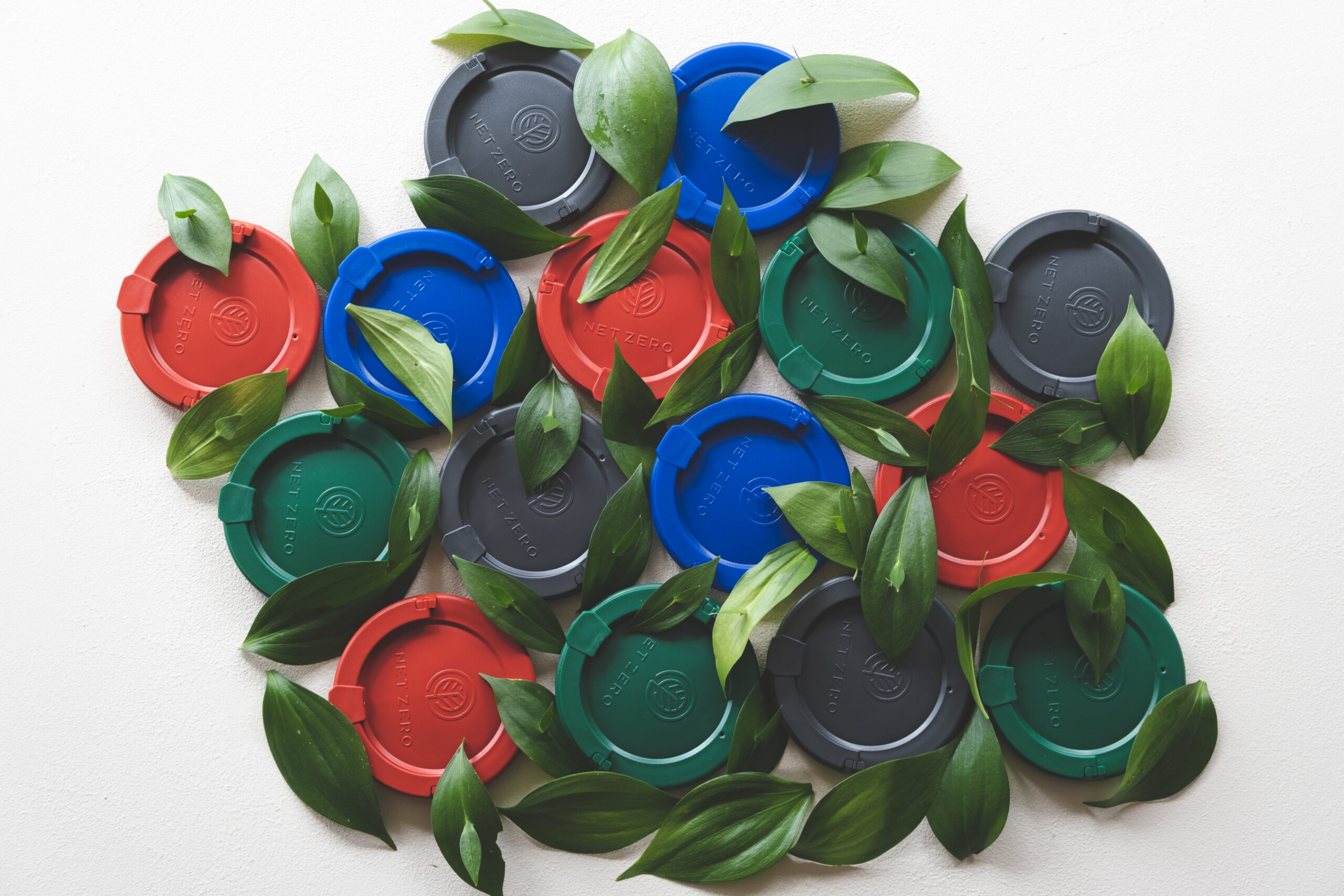
As the world moves towards a more sustainable future, everyday products like single-use cups are being reimagined. Traditional paper and plastic cups contribute significantly to waste and environmental pollution, but there is a better way forward: plant-based materials. Net Zero Cup is leading the charge with innovative, plant-based alternatives that challenge the status quo.
Why Traditional Cups Are a Problem:
The typical paper cup might seem harmless, but it often has a plastic lining that makes it difficult to recycle. This results in millions of cups ending up in landfills, where they can take decades to decompose. The production process also involves significant carbon emissions, deforestation, and the use of non-renewable resources.
What Makes Net Zero Cup Different?
Net Zero Cup is made from a biopolymer derived from sugarcane, a renewable resource that captures CO2 as it grows. The cup’s material is 99% plant-based, meaning it significantly reduces the reliance on fossil fuels. This innovative approach not only addresses the waste issue but also tackles the problem at its source: production.
The Environmental Benefits of Plant-Based Materials:
Plant-based cups like Net Zero Cup have a much lower carbon footprint compared to traditional cups. During the life cycle of a traditional plastic cup, from production to disposal, significant amounts of CO2 are released into the atmosphere. In contrast, the bioplastic used in Net Zero Cup absorbs carbon during its growth phase, helping to offset emissions.
Switching to plant-based cups isn’t just about reducing waste; it’s about rethinking our approach to everyday products. With options like Net Zero Cup, we have the power to make choices that are better for our planet and future generations.